Wildfire preparedness isn’t just for homeowners who live in the woods. Homes in rural areas, suburbs, and cities can all be vulnerable to wildfire—particularly from wind-blown embers
Dated: October 9 2023
Views: 124

The increasing effects of natural disasters are leading to new obstacles in residential real estate. As a recent article from CoreLogic explains:
“As the specter of climate change looms large, the world braces for unprecedented challenges. In the world of real estate, one of those challenges will be the effects of natural catastrophes on property portfolios, homeowners, and communities.”
That may be why, according to Zillow, more and more Americans now consider how climate risks and natural disasters can impact their homeownership plans (see below):
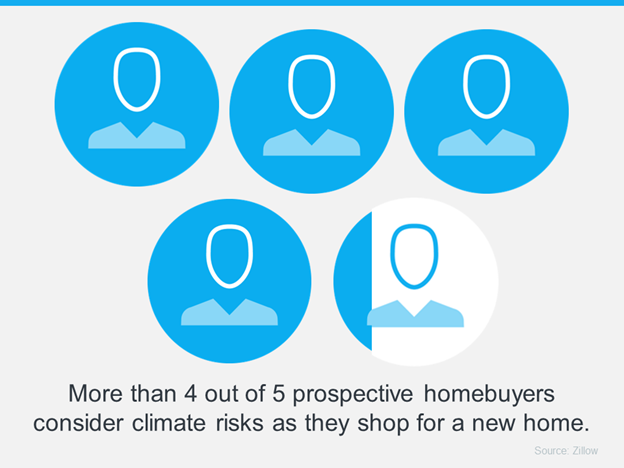
This study goes on to explain that climate risks affect where many people look for a home. That’s because homebuyers are interested in finding out if the house they want will be exposed to things like floods, extreme heat, and wildfires.
If you’re in the same situation and are thinking about what to do next, here’s some important information to consider as you start looking for a home.
Expert Advice for Homebuyers To Reduce Climate Risks
The first thing to do is understand how to go about buying a home while thinking about climate risks. With the right help and resources, you can simplify the process.
The Mortgage Reports provides these tips for buying your next home:
Above all else, your most valuable resource during this process is a trusted real estate expert. They'll always focus on your goals while keeping your concerns top of mind. Even if they don't have all the answers about how your home can handle natural disasters, they can connect you with the right experts and information.
Bottom Line
If you want to buy a home, but you're also thinking about climate risks, you're not alone. Your home is a big investment, and if anything can impact that, you want to know. Let’s connect so you have someone you can trust to guide you as you find your next home.

Dave works diligently behind the scenes to make Real Estate easy for you. He services clients in Washington and Oregon and joined NextHome Realty Connection to grow his business. Real Estate draws on ....
Wildfire preparedness isn’t just for homeowners who live in the woods. Homes in rural areas, suburbs, and cities can all be vulnerable to wildfire—particularly from wind-blown embers
If you're waiting for mortgage rates to fall a lot before you buy, you may be waiting a while. But before you get discouraged, there's a number working behind the scenes that's actually good for you
Every June, we celebrate National Homeownership Month, a time dedicated to recognizing the value of homeownership and helping more people achieve the dream of owning a home.For many families, a home
Many homeowners still believe they’ll get their asking price — or even more — when they sell. In fact, nearly 80% expect it. But in today’s market, only about 40% actually do
 All information provided is deemed reliable but is not guaranteed and should be independently verified. IDX information is provided exclusively for consumers' personal, non-commercial use, that it may not be used for any purpose other than to identify prospective properties consumers may be interested in purchasing, and that the data is deemed reliable but is not guaranteed accurate by RMLSTM.
The content relating to real estate for sale on this web site comes in part from the IDX program of the RMLSTM of Portland, Oregon. Real estate listings held by brokerage firms other than PDX Home Group are marked with the RMLSTM logo, and detailed information about these properties includes the names of the listing brokers. Listing content is copyright © 2026 RMLSTM, Portland, Oregon.
This content last updated on September 22, 2026 6:25 AM UTC at 4 AM. Some properties which appear for sale on this web site may subsequently have sold or may no longer be available.
All information provided is deemed reliable but is not guaranteed and should be independently verified. IDX information is provided exclusively for consumers' personal, non-commercial use, that it may not be used for any purpose other than to identify prospective properties consumers may be interested in purchasing, and that the data is deemed reliable but is not guaranteed accurate by RMLSTM.
The content relating to real estate for sale on this web site comes in part from the IDX program of the RMLSTM of Portland, Oregon. Real estate listings held by brokerage firms other than PDX Home Group are marked with the RMLSTM logo, and detailed information about these properties includes the names of the listing brokers. Listing content is copyright © 2026 RMLSTM, Portland, Oregon.
This content last updated on September 22, 2026 6:25 AM UTC at 4 AM. Some properties which appear for sale on this web site may subsequently have sold or may no longer be available.
 Based on information from Willamette Valley Multiple Listing Service, which neither guarantees nor is in any way responsible for its accuracy. All data is provided AS IS and with all faults. Data maintained by Willamette Valley Multiple Listing Service may not reflect all real estate activity in the market. Copyright © 2026 WVMLS. All Rights Reserved. Information last updated on September 22, 2026 8:04 AM UTC
 All information deemed reliable but not guaranteed. All properties are subject to prior sale, change or withdrawal. Neither listing broker(s) or information provider(s) shall be responsible for any typographical errors, misinformation, misprints and shall be held totally harmless. Listing(s) information is provided for consumer's personal, non-commercial use and may not be used for any purpose other than to identify prospective properties consumers may be interested in purchasing. The data relating
to real estate for sale on this website comes in part from the Internet Data Exchange program of the Multiple Listing Service. Real estate listings held by brokerage firms other than PDX Home Group may be marked with the Internet Data Exchange logo and detailed information about those properties will include the name of the listing broker(s) when required by the MLS. Copyright ©2026 All rights reserved.
Last Updated: September 22, 2026 8:18 AM UTC
Show More...
All information deemed reliable but not guaranteed. All properties are subject to prior sale, change or withdrawal. Neither listing broker(s) or information provider(s) shall be responsible for any typographical errors, misinformation, misprints and shall be held totally harmless. Listing(s) information is provided for consumer's personal, non-commercial use and may not be used for any purpose other than to identify prospective properties consumers may be interested in purchasing. The data relating
to real estate for sale on this website comes in part from the Internet Data Exchange program of the Multiple Listing Service. Real estate listings held by brokerage firms other than PDX Home Group may be marked with the Internet Data Exchange logo and detailed information about those properties will include the name of the listing broker(s) when required by the MLS. Copyright ©2026 All rights reserved.
Last Updated: September 22, 2026 8:18 AM UTC
Show More...
