Wildfire preparedness isn’t just for homeowners who live in the woods. Homes in rural areas, suburbs, and cities can all be vulnerable to wildfire—particularly from wind-blown embers
Dated: March 18 2025
Views: 91
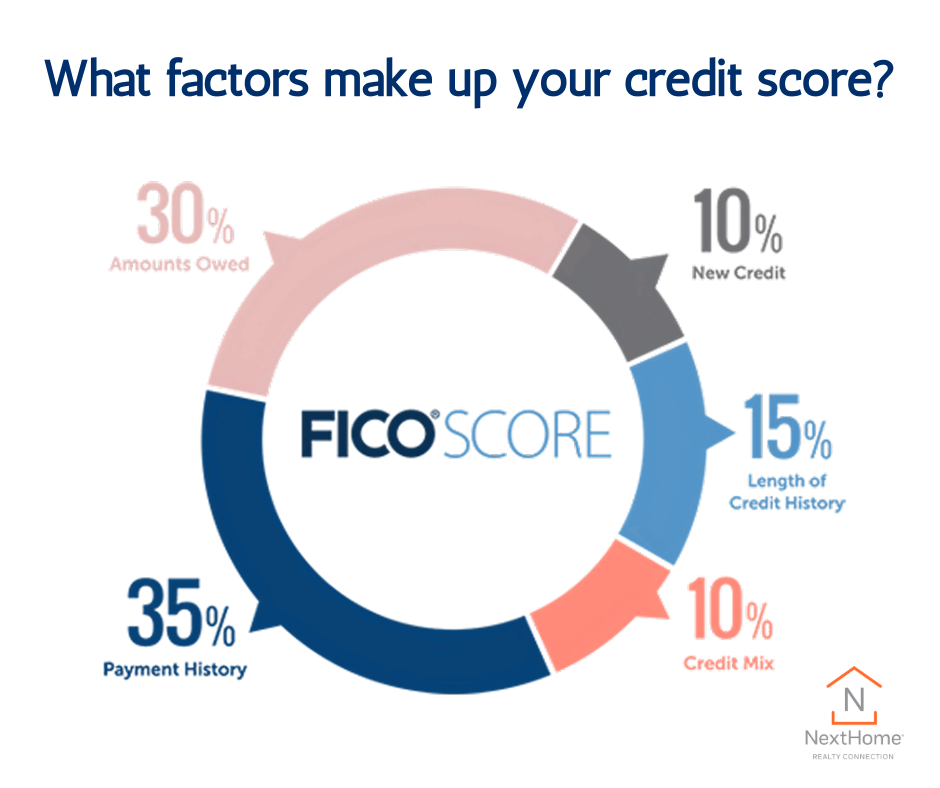
When you’re in the market for a new home, one of the most important factors lenders will look at is your credit score. Your credit score helps determine your eligibility for a mortgage, as well as the interest rate you’ll pay. A strong credit score can save you thousands of dollars over the life of your loan, while a lower score may lead to higher interest rates or even difficulty securing financing. But what exactly makes up your credit score? Let's break it down into five key factors:
Your payment history is the most significant factor that impacts your credit score. This includes your record of paying bills on time, including credit cards, loans, and other financial obligations. Lenders want to see that you’re reliable and responsible when it comes to making payments. Late payments, collections, or bankruptcies can significantly hurt your score. Maintaining a consistent, on-time payment history is key to keeping your credit score healthy.
The total amount of debt you owe, often referred to as your credit utilization, is another crucial factor in determining your credit score. Lenders want to see that you’re not overly reliant on credit and that you’re managing your debt responsibly. This includes both revolving credit (like credit cards) and installment loans (like personal loans or auto loans). A good rule of thumb is to keep your credit utilization ratio below 30%—that is, don’t use more than 30% of your available credit at any time. High balances relative to your credit limits can indicate financial strain and hurt your score.
The length of time you’ve had credit accounts contributes to your credit score as well. A longer credit history can positively impact your score, as it shows lenders that you have experience managing credit over time. If you’re new to credit or have only recently opened accounts, your credit score may be lower until you build a more robust history. It's important to keep older accounts open even if you're not actively using them, as they contribute to your overall credit history.
Lenders also consider the types of credit accounts you have, such as credit cards, mortgages, auto loans, and installment loans. A diverse mix of credit types can have a positive effect on your credit score, as it shows that you can responsibly manage different types of debt. However, it’s important to note that you should only open new types of credit if necessary. Opening new accounts just to improve your credit mix can actually hurt your score in the short term.
Every time you apply for new credit, a “hard inquiry” is made on your credit report. These inquiries can temporarily lower your score. If you’ve recently opened several new accounts, it could signal to lenders that you’re taking on more debt, which may make you seem risky. While it’s okay to apply for new credit when needed, multiple applications in a short time can negatively affect your credit score.
When you’re preparing to buy a home, understanding the factors that influence your credit score is essential. A strong credit score opens the door to better mortgage rates and favorable loan terms, ultimately making homeownership more affordable. Focus on paying your bills on time, managing debt responsibly, and maintaining a healthy credit mix. If you're planning to buy a home in the near future, check your credit score regularly, and take steps to improve it where necessary.
By staying on top of your credit, you'll be in a stronger position when it's time to make that all-important decision: purchasing your next home.

Dave works diligently behind the scenes to make Real Estate easy for you. He services clients in Washington and Oregon and joined NextHome Realty Connection to grow his business. Real Estate draws on ....
Wildfire preparedness isn’t just for homeowners who live in the woods. Homes in rural areas, suburbs, and cities can all be vulnerable to wildfire—particularly from wind-blown embers
If you're waiting for mortgage rates to fall a lot before you buy, you may be waiting a while. But before you get discouraged, there's a number working behind the scenes that's actually good for you
Every June, we celebrate National Homeownership Month, a time dedicated to recognizing the value of homeownership and helping more people achieve the dream of owning a home.For many families, a home
Many homeowners still believe they’ll get their asking price — or even more — when they sell. In fact, nearly 80% expect it. But in today’s market, only about 40% actually do
 All information provided is deemed reliable but is not guaranteed and should be independently verified. IDX information is provided exclusively for consumers' personal, non-commercial use, that it may not be used for any purpose other than to identify prospective properties consumers may be interested in purchasing, and that the data is deemed reliable but is not guaranteed accurate by RMLSTM.
The content relating to real estate for sale on this web site comes in part from the IDX program of the RMLSTM of Portland, Oregon. Real estate listings held by brokerage firms other than PDX Home Group are marked with the RMLSTM logo, and detailed information about these properties includes the names of the listing brokers. Listing content is copyright © 2026 RMLSTM, Portland, Oregon.
This content last updated on September 22, 2026 6:25 AM UTC at 4 AM. Some properties which appear for sale on this web site may subsequently have sold or may no longer be available.
All information provided is deemed reliable but is not guaranteed and should be independently verified. IDX information is provided exclusively for consumers' personal, non-commercial use, that it may not be used for any purpose other than to identify prospective properties consumers may be interested in purchasing, and that the data is deemed reliable but is not guaranteed accurate by RMLSTM.
The content relating to real estate for sale on this web site comes in part from the IDX program of the RMLSTM of Portland, Oregon. Real estate listings held by brokerage firms other than PDX Home Group are marked with the RMLSTM logo, and detailed information about these properties includes the names of the listing brokers. Listing content is copyright © 2026 RMLSTM, Portland, Oregon.
This content last updated on September 22, 2026 6:25 AM UTC at 4 AM. Some properties which appear for sale on this web site may subsequently have sold or may no longer be available.
 Based on information from Willamette Valley Multiple Listing Service, which neither guarantees nor is in any way responsible for its accuracy. All data is provided AS IS and with all faults. Data maintained by Willamette Valley Multiple Listing Service may not reflect all real estate activity in the market. Copyright © 2026 WVMLS. All Rights Reserved. Information last updated on September 22, 2026 8:04 AM UTC
 All information deemed reliable but not guaranteed. All properties are subject to prior sale, change or withdrawal. Neither listing broker(s) or information provider(s) shall be responsible for any typographical errors, misinformation, misprints and shall be held totally harmless. Listing(s) information is provided for consumer's personal, non-commercial use and may not be used for any purpose other than to identify prospective properties consumers may be interested in purchasing. The data relating
to real estate for sale on this website comes in part from the Internet Data Exchange program of the Multiple Listing Service. Real estate listings held by brokerage firms other than PDX Home Group may be marked with the Internet Data Exchange logo and detailed information about those properties will include the name of the listing broker(s) when required by the MLS. Copyright ©2026 All rights reserved.
Last Updated: September 22, 2026 8:18 AM UTC
Show More...
All information deemed reliable but not guaranteed. All properties are subject to prior sale, change or withdrawal. Neither listing broker(s) or information provider(s) shall be responsible for any typographical errors, misinformation, misprints and shall be held totally harmless. Listing(s) information is provided for consumer's personal, non-commercial use and may not be used for any purpose other than to identify prospective properties consumers may be interested in purchasing. The data relating
to real estate for sale on this website comes in part from the Internet Data Exchange program of the Multiple Listing Service. Real estate listings held by brokerage firms other than PDX Home Group may be marked with the Internet Data Exchange logo and detailed information about those properties will include the name of the listing broker(s) when required by the MLS. Copyright ©2026 All rights reserved.
Last Updated: September 22, 2026 8:18 AM UTC
Show More...
